Aggression and impulsivity are common in both prisons and psychiatric care. In many cases the aggression is impulsive, driven by strong emotions and poor emotional regulation rather than intent. This pattern is especially common among people with trauma histories, mood disorders or personality disorders. More calculated or psychotically driven aggression occurs less often, but remains a relevant challenge in psychiatric care (Puder, 2019).
Why secure environments make it worse
Prison environments tend to amplify these behaviours. They are tense and overstimulating, which heightens emotional reactions and impulsivity. Many people in prison describe living in a constant state of stress. A major factor is the loss of autonomy. Daily activities such as eating and showering depend on staff. That absence of control over your own life produces frustration, and frustration is one of the most reliable precursors to an aggressive response. Psychiatric settings show a comparable pattern. Agitation is triggered by environmental pressure and psychological distress together, not by one or the other (Dib et al., 2018).
What happens when aggression escalates
Once aggression escalates, safety becomes the priority. The first response is usually verbal de-escalation: staff attempting to calm the person through communication, reassurance and empathy.
When that does not work, more restrictive measures may follow. Seclusion, medication and physical restraint (Dib et al., 2018).
The cost of restrictive practice
These measures are sometimes necessary. They also raise ethical concerns and carry physical risks for everyone involved.
Despite strict guidelines, restrictive interventions are still used with an estimated 10 to 30% of psychiatric inpatients in both the United States and Europe (Agency for Healthcare Research and Quality, 2016). That figure is the reason reducing restrictive practices has become a priority across mental health services rather than a niche concern.
Prevention works better than response
Prevention is consistently more effective than reactive measures. Recognising warning signs early keeps a conflict from developing into full aggression, and early recognition costs nothing but attention.
Equally important is building conflict resolution and emotional regulation skills over time. Approaches such as meditation, structured communication and calmer surroundings help people manage emotional triggers and release tension in healthier ways.
De-escalation depends on what the environment allows
De-escalation techniques are usually taught as a set of communication skills. In practice they also depend on the space they happen in.
A staff member needs the opportunity to make contact before tension peaks. The person needs somewhere for that tension to go. Where someone has no influence at all over their surroundings, pressure builds faster than any conversation can relieve it. The least restrictive option is not only a matter of policy. It is a matter of what the environment makes possible.
How Recornect supports de-escalation
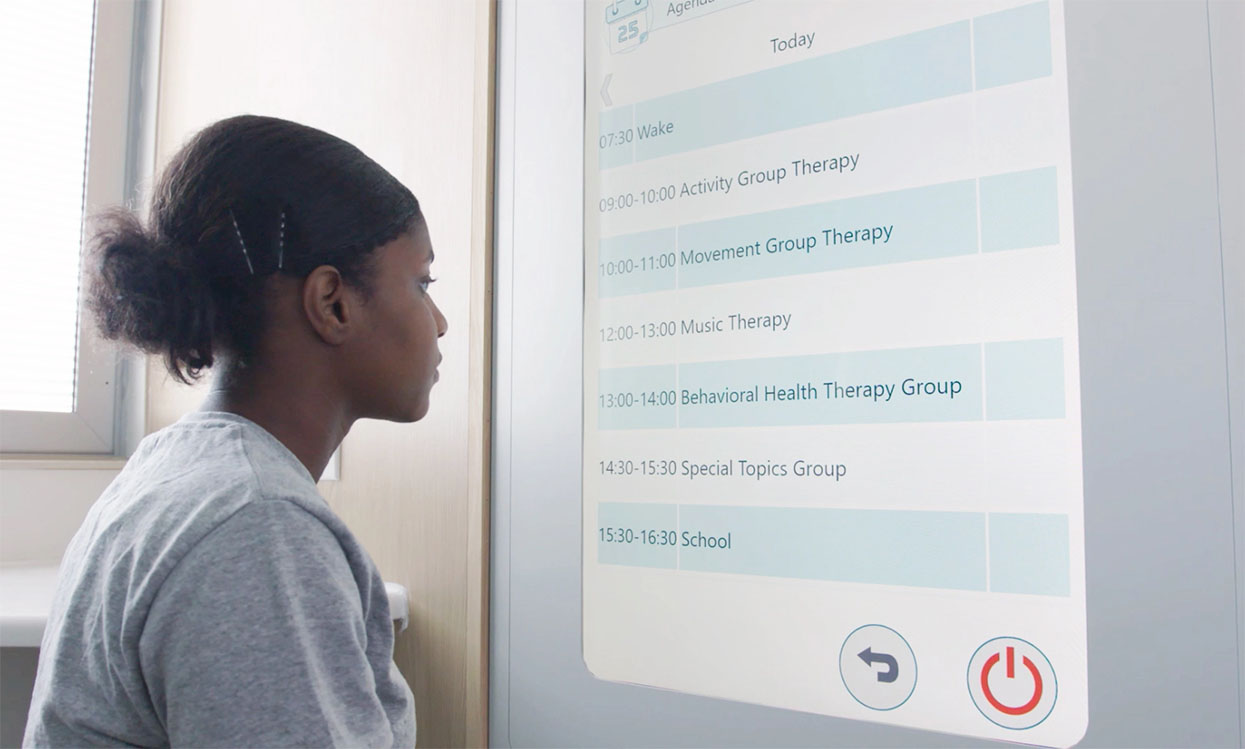
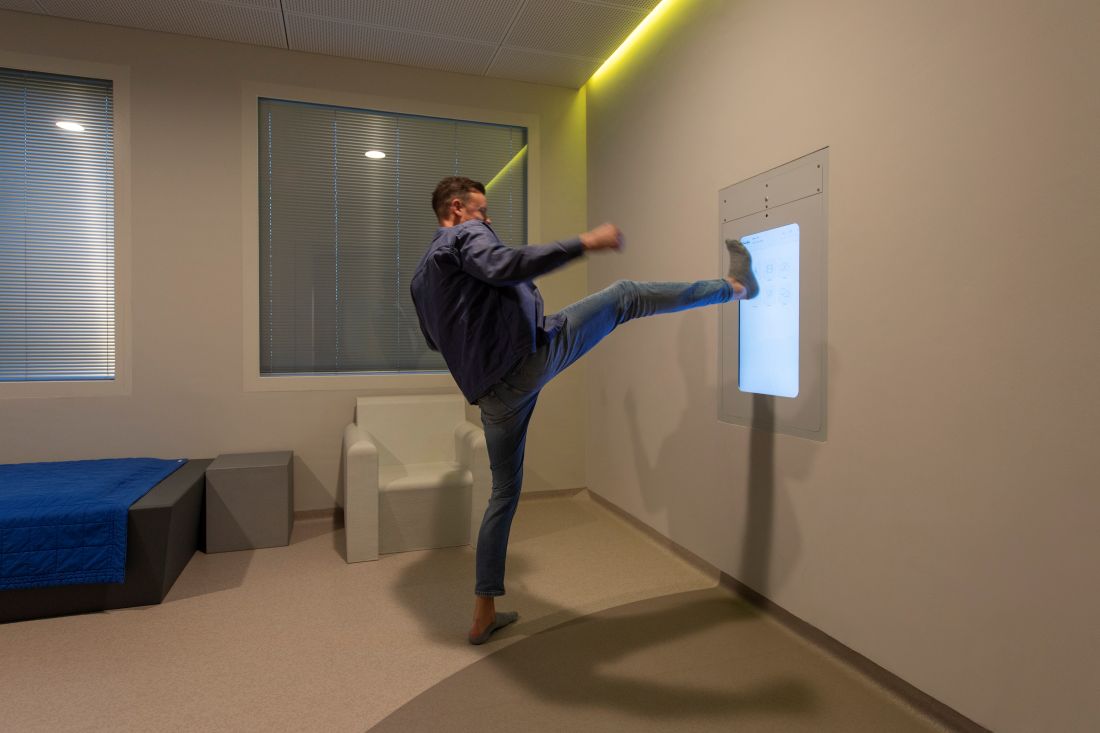
Recornect helps de-escalate situations both before and during incidents. By giving clients a degree of autonomy back, the CoWin creates the opportunity to make their own choices and regain a sense of control at the moment tension is rising.
In closing
Aggression and impulsivity in prisons and psychiatric care arise from environmental stress, psychological factors and a loss of autonomy.
The most effective response is not intervention alone, but intervention combined with prevention: calmer environments, earlier recognition, and de-escalation before a situation moves beyond reach.
References
Agency for Healthcare Research and Quality. (2016). Strategies to de-escalate aggressive behavior in psychiatric patients: Executive summary (Comparative Effectiveness Review No. 180).
Dib, J. E., Adams, C. E., Kazour, F., Tahan, F., Haddad, G., Haddad, C., & Hallit, S. (2018). Managing acutely aggressive or agitated people in a psychiatric setting: A survey in Lebanon. Medical Journal of the Islamic Republic of Iran, 32, 60.
Puder, D. (2019, January 22). How to treat violent and aggressive patients [Audio podcast episode]. In Psychiatry & Psychotherapy Podcast.