In mental health care facilities and prisons alike, security, safety and human connection are all of utmost importance. The difficulty is that they are often treated as competing priorities.
The scale of the problem
Research by the Independent Advisory Panel on Deaths in Custody found that over a 25-year period, 1,885 ligature deaths were recorded in prisons in England and Wales.
That figure is the reason reducing ligature risk has become a design requirement rather than an afterthought.
What is a ligature point?
In this context, a ligature is a form of self-harm in which an item is attached to a fixed point. A ligature point is anything in a room capable of bearing that weight.
Ligature-related harm and other forms of self-harm are not uncommon in mental health facilities and prisons. The risk is not theoretical, and it is rarely limited to the obvious fixtures.
What anti-ligature design actually involves
Anti-ligature design means looking carefully at furniture, fixtures, fittings and every other element of a room that could create a risk.
But safety does not stop at anti-ligature products alone. It means assessing the whole environment, understanding the different forms self-harm can take, and making deliberate choices throughout the space rather than removing items one at a time.
The risk of designing only for safety
Removing risk should not mean creating a space that feels cold or clinical. A room stripped of everything is defensible on paper and difficult to recover in.
NHS England guidance on secure mental health facilities highlights exactly this balance, emphasising environments that are safe and secure while also supporting wellbeing. Daylight, contact with nature, sensory design, and giving people more choice and control over their surroundings all contribute to a better environment.
That last point matters more than it may appear. Control over your own surroundings is not a comfort feature. It is one of the conditions under which distress is less likely to escalate in the first place.
Finding the right balance
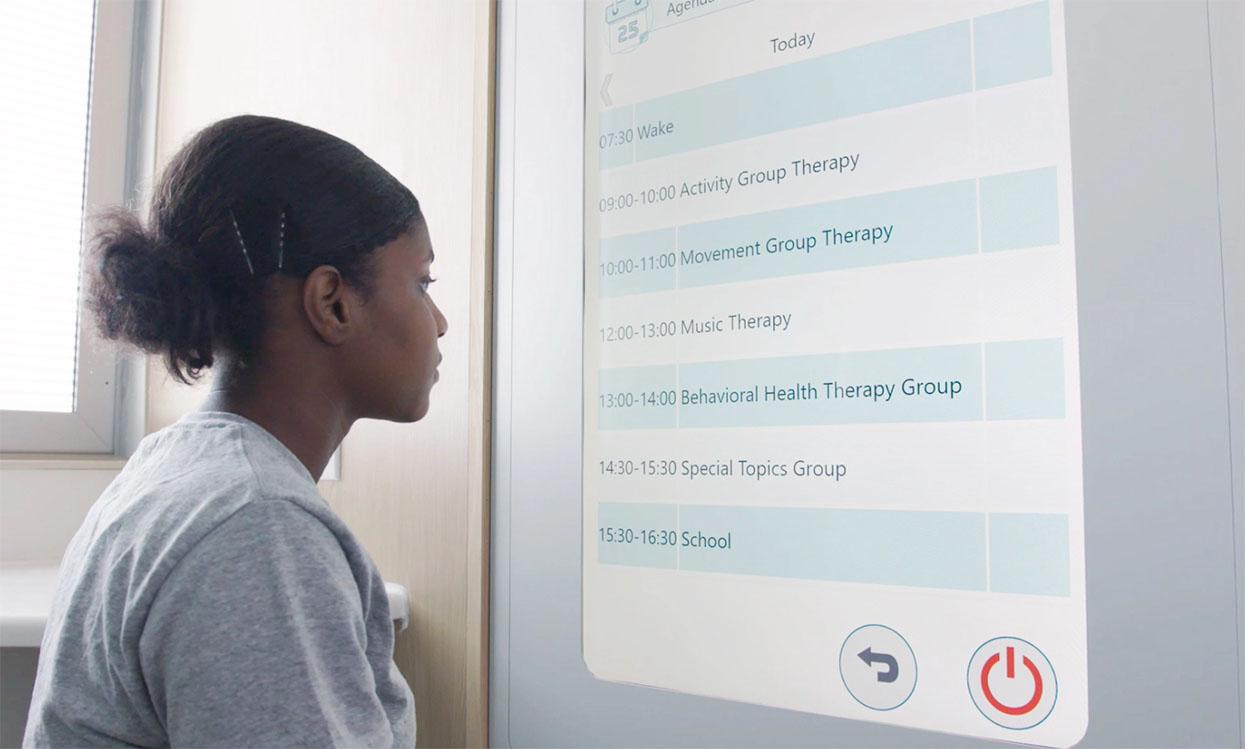
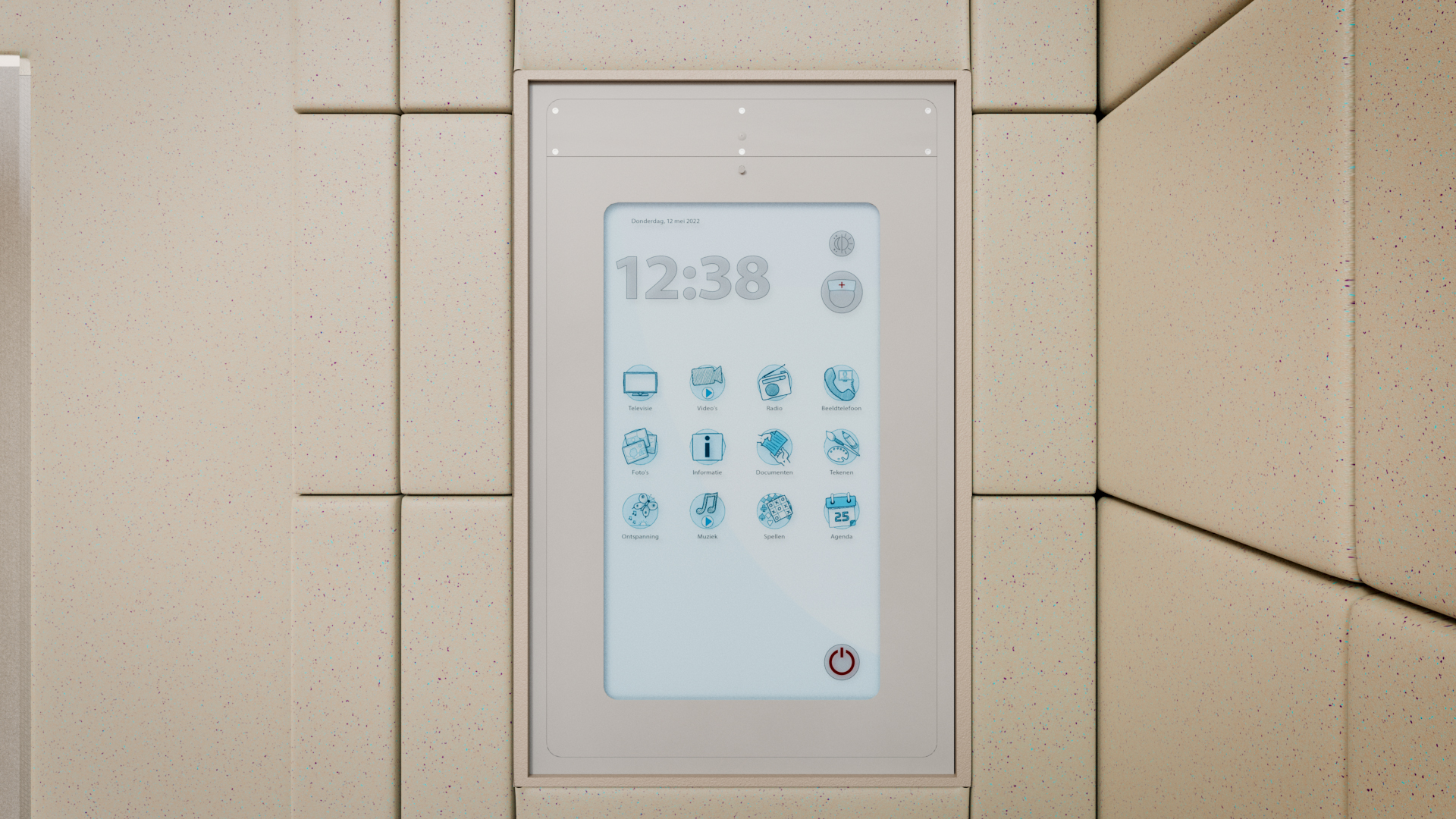
This balance between safety and human connection is what CoWin is designed to support. It is fully anti-ligature, providing the security these environments require, while supporting something equally important: human connection.
CoWin is built to become a natural part of the room rather than an addition to it, helping people feel more comfortable and connected while allowing staff to focus on the care and support that matters most. Designed to withstand significant force, it remains strong, secure and fully anti-ligature.
Want to know more?
See how CoWin works in a secure setting. Book a demo or get in touch with our team.
References
Independent Advisory Panel on Deaths in Custody. (2025). Ligature deaths in prisons in England and Wales: Trends and reduction strategies.
NHS England. (2023). Health Building Note 03-01 Supplement 1: Medium and low secure mental health facilities for adults.