When we think about mental health in prison, we usually think about therapy, medication and professional support. Those things matter. But there is another form of support that can be just as meaningful, and it is often far simpler: human connection. Being able to speak with family, hear a familiar voice or simply know that someone is there can make a real difference to a person's wellbeing.
How prison affects mental health
Prison is an isolating environment by design. Separation from loved ones, combined with overcrowding, bullying, violence, fear and long hours spent in a cell, increases stress and can worsen mental health problems that were already there. The effect is not evenly spread. The longer someone spends locked in, and the fewer meaningful contacts they have outside, the heavier the load becomes. For staff, that load shows up on the wing as tension, withdrawal and escalation.
What the research says about social contact
A 2024 systematic review of prisoners' mental health found that a lack of social support worsens mental health problems in prison. [CHECK: hier één concreet gegeven uit Machado et al. invoegen, bijvoorbeeld het aantal geïncludeerde studies of een specifieke uitkomstmaat. Dit maakt de alinea citeerbaar in plaats van algemeen.]
The reverse is also true. Contact with people who matter acts as a protective factor. That makes social contact not a privilege at the edge of the regime, but part of the mental health picture itself.
Why a phone call home can make the difference
For many people in prison, a phone call is the most direct link to life outside. Access to phones from the cell, rather than only in shared spaces at fixed times, makes staying in touch easier and more flexible. A conversation with a partner, a parent or a child offers comfort, reassurance and a reminder that someone is still part of a family. It is a small intervention with a disproportionate effect, and it does not require a clinician to be present.
The barriers to staying in touch
Maintaining that contact is not always straightforward. The cost of calls, limited access to handsets and a lack of privacy all get in the way. Recent Ministry of Justice figures on social contact in prison show [CHECK: cijfer uit het MoJ-rapport, bijvoorbeeld het aantal geregistreerde contactmomenten of de ontwikkeling daarvan over de periode 2019 tot 2024].
That raises a question worth sitting with. If social contact supports mental health, why is it so hard to maintain?
What this means for staff and the wing
The case for contact is usually made on behalf of the person in the cell. It is just as relevant for the people working around them.
Someone who has spoken to their family is easier to reach. Conversations that start calm stay calm. Staff spend less time managing the fallout of a missed call or a cancelled visit, and more time on the work they are actually there to do. Better contact and fewer incidents are two sides of the same thing.
How technology supports contact in secure settings
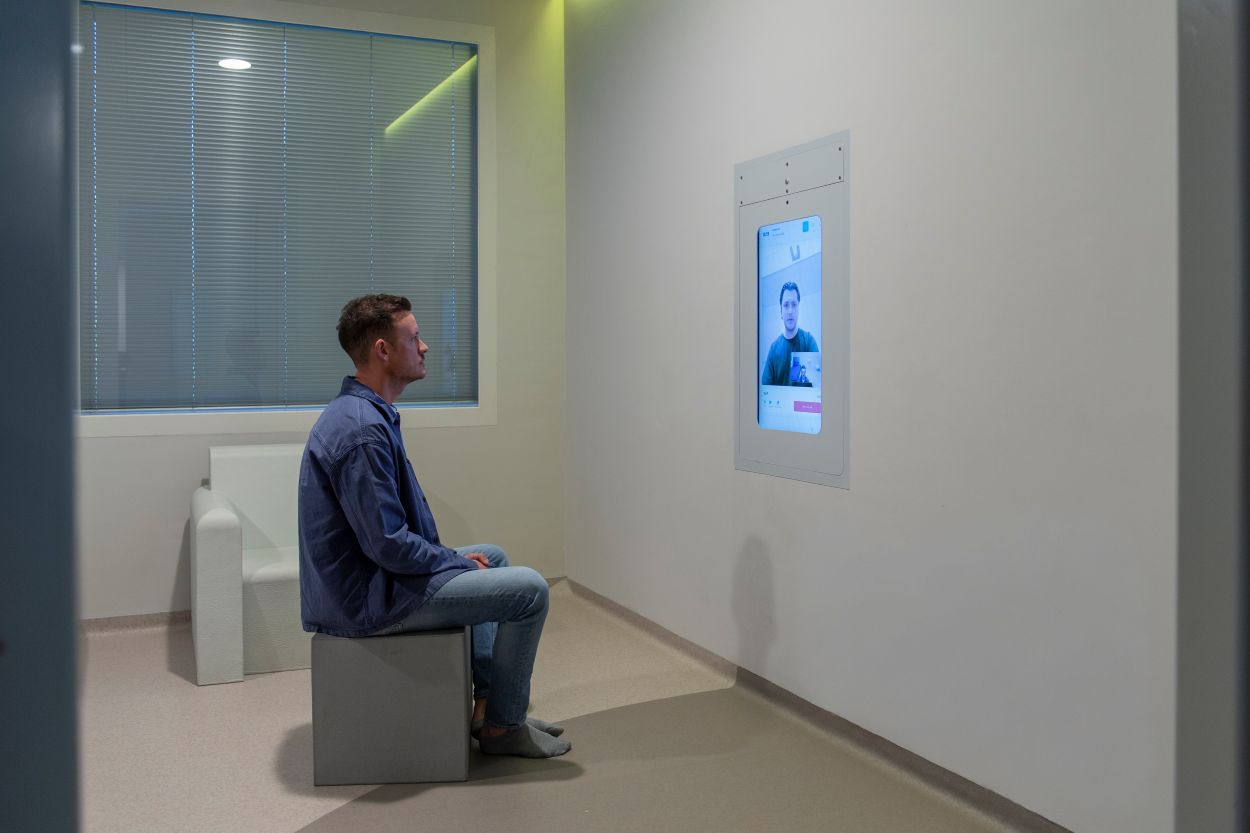
Video calling has opened up new ways for families to stay connected, particularly when visiting in person is not possible. Seeing someone is a more personal experience than hearing them. It carries expression, context and presence that a phone call cannot. Technology does not replace being in the same room. It should not try to. What it can do is provide a reliable alternative when physical contact is not available, and remove some of the friction that stops contact from happening at all.
Why connection matters after release
The importance of these relationships does not end when a sentence does. People who leave prison with a support network in place have something to return to. That supports rehabilitation and reintegration in a way no programme can replicate on its own.
Strong relationships provide stability. They also provide a reason to hold on to it.
How Recornect supports contact
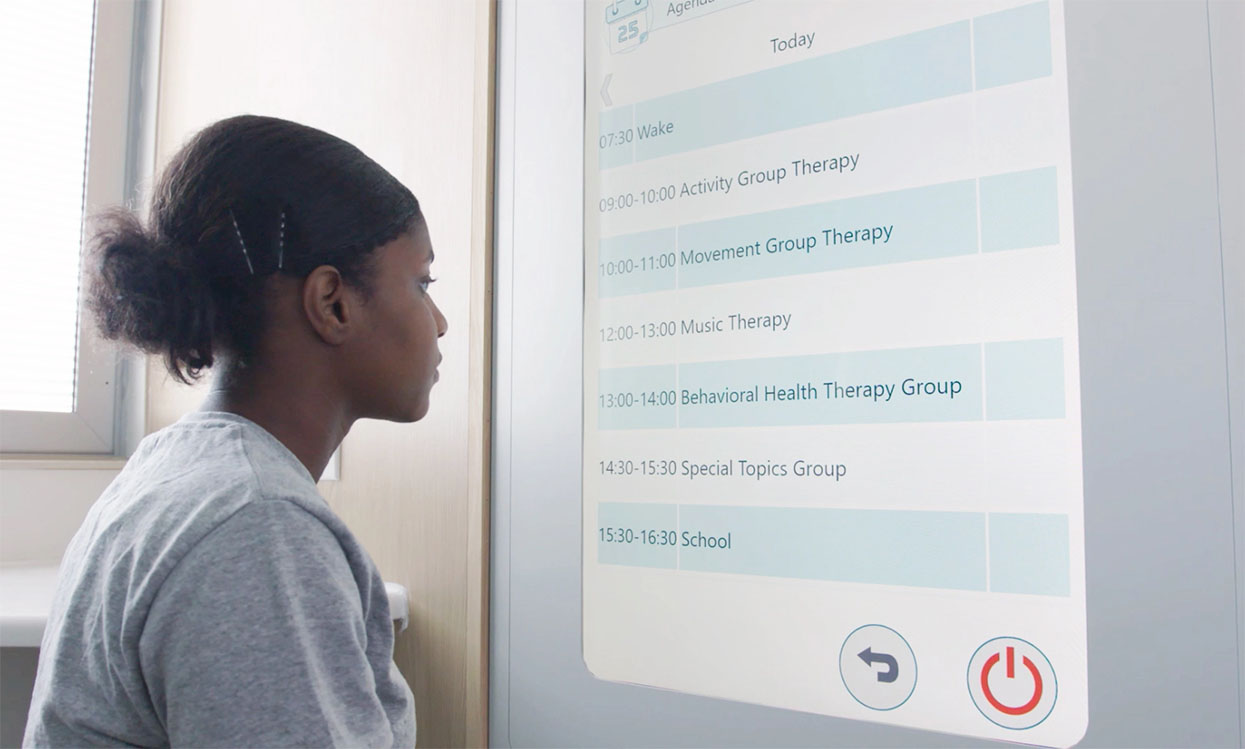
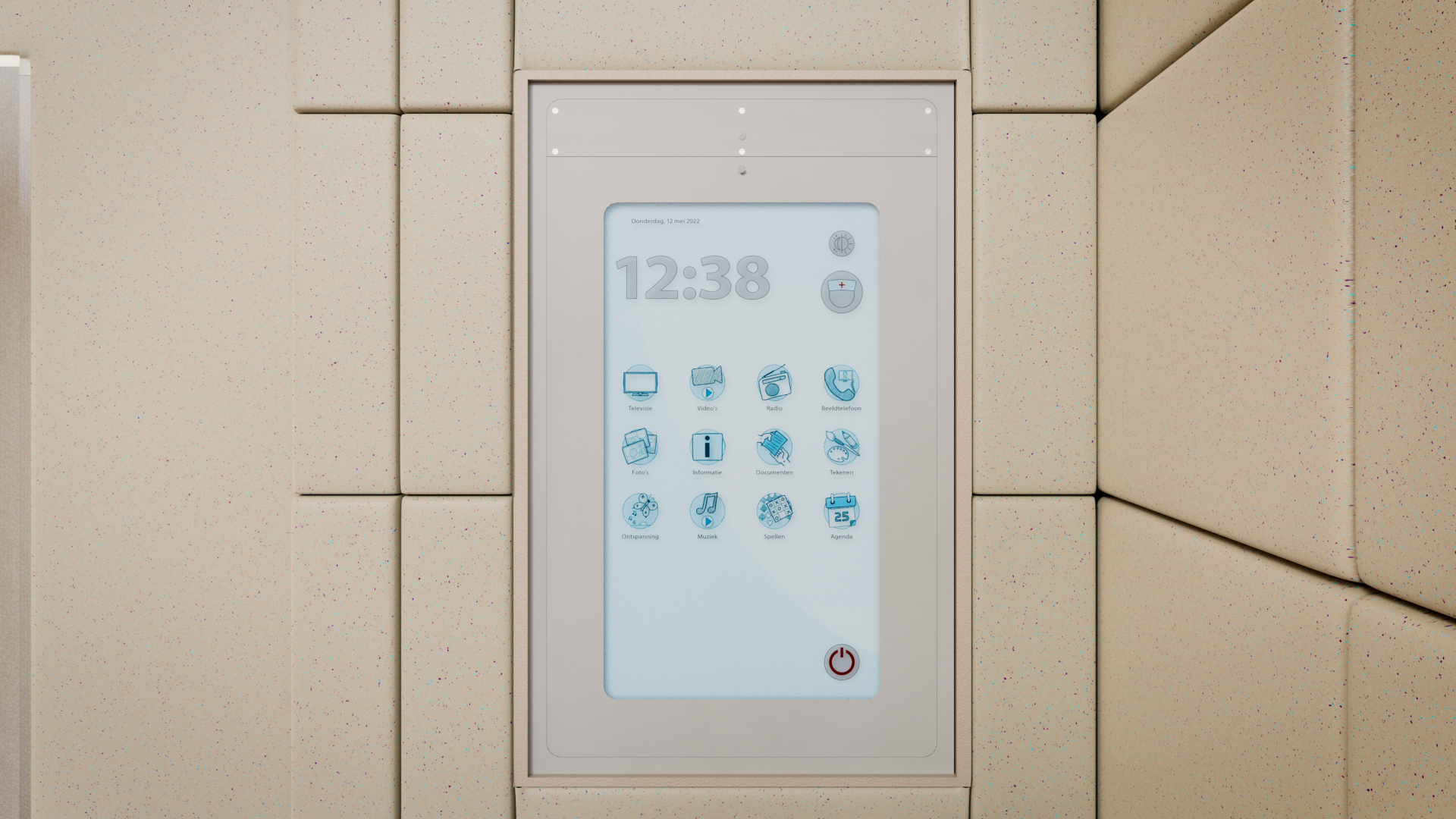
Our interactive touchscreen makes communication between people in prison, their families and staff possible when physical contact is not an option. Phone and video calling are included in the Recovery and Connection packages, so contact can be part of the daily routine rather than an exception that has to be arranged.
In closing
Prison takes away someone's freedom as a consequence of their actions. It should not take away their human connections. Everyone needs relationships, support and a sense of belonging.
Sometimes supporting someone's mental health does not require anything complicated. Sometimes it simply means making it possible for them to call home.
Sources
British Association for Counselling and Psychotherapy. (2026). Counselling in prisons: Mental health needs and access to counselling [Policy briefing]. https://www.bacp.co.uk/media/25864/bacp-counselling-in-prisons-policy-briefing-2026.pdf
Machado, N., Abreo, L., Petkari, E., & Pinto da Costa, M. (2024). The relationship of social contacts with prisoners' mental health: A systematic review. Public Health, 234, 199–216. The relationship of social contacts with prisoners' mental health: a systematic review - ScienceDirect
Ministry of Justice. (2025). Social contact in prison: April 2019 to June 2024. GOV.UK. Social Contact in Prison